Clarity over noise
People perform better when priorities, ownership, and decisions are explicit.
About
My path from research to quality, operations, executive leadership, and technology was not a departure from science. It was an expansion of how I applied scientific discipline to organizational scale.
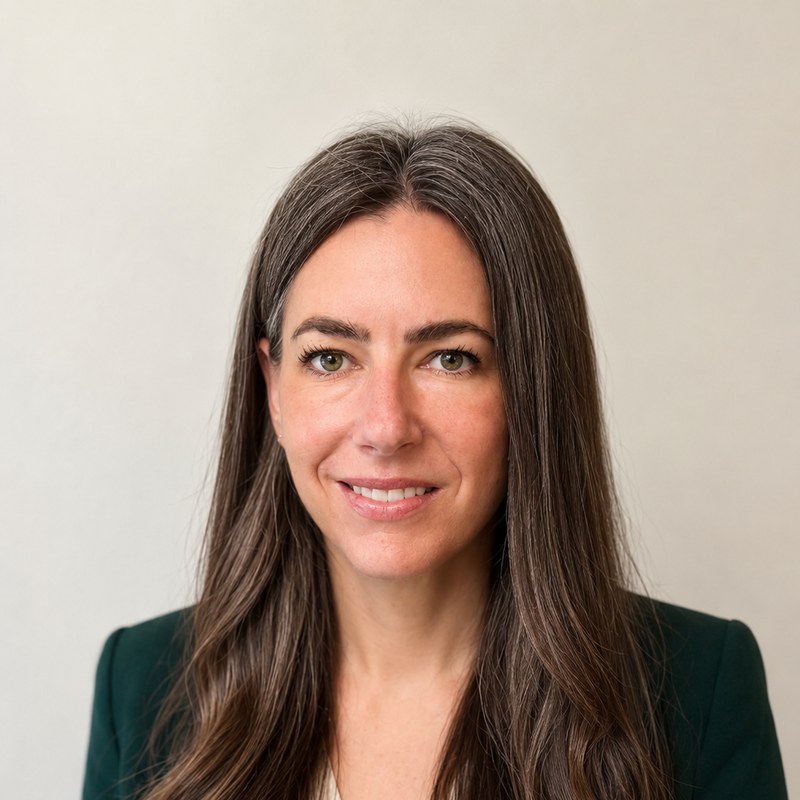
I began my career in science, trained to understand complex biological systems and to challenge conclusions that were not supported by evidence. Over time, I found myself drawn to the systems surrounding the science: how work moved through an organization, how quality was built into operations, how teams made decisions, and why strong ideas sometimes failed in execution.
That curiosity moved me across functions and ultimately into executive leadership. I have led from the laboratory, through quality and operations, and into the CEO and CTO roles. Each step broadened my view of what makes a biotechnology company effective.
As CEO of Cell Culture Company, I inherited a business that had been pointed in the wrong direction. The previous strategy centered on small-scale pharmaceutical manufacturing that never gained commercial traction. In the first two years, I redirected the company to its core competencies in bioservices and instruments, grew revenue 61%, and expanded gross margins by 27 percentage points. I led the organization through COVID-19 demand surge, post-pandemic normalization, the launch of a third business division, and the full relocation of headquarters and GMP manufacturing operations, on time and under a $1.3M budget. Following the relocation, the company transitioned from a CEO-led structure to a shared executive model, and I moved into the CTO role with responsibility for technology, quality, purchasing, and enterprise systems.
As CTO, I built AI and automation tools across the organization, restructured our digital marketing from the ground up, and drove a technology roadmap that connected quality, operations, commercial execution, and board reporting into systems designed to scale.
Earlier, as Vice President of Quality, I led the company to ISO 9001:2015 certification in under five months with zero findings while directing the QMS and QA/QC functions.
I am most effective in situations where the problem is cross-functional and resistant to a narrow fix. I look for the underlying constraint, build the system that addresses it, and stay long enough to make sure it holds.
Leadership principles
People perform better when priorities, ownership, and decisions are explicit.
Strong organizations do not depend on constant intervention from a few indispensable people.
Good judgment starts with understanding what is known, what is uncertain, and what still needs to be tested.